©

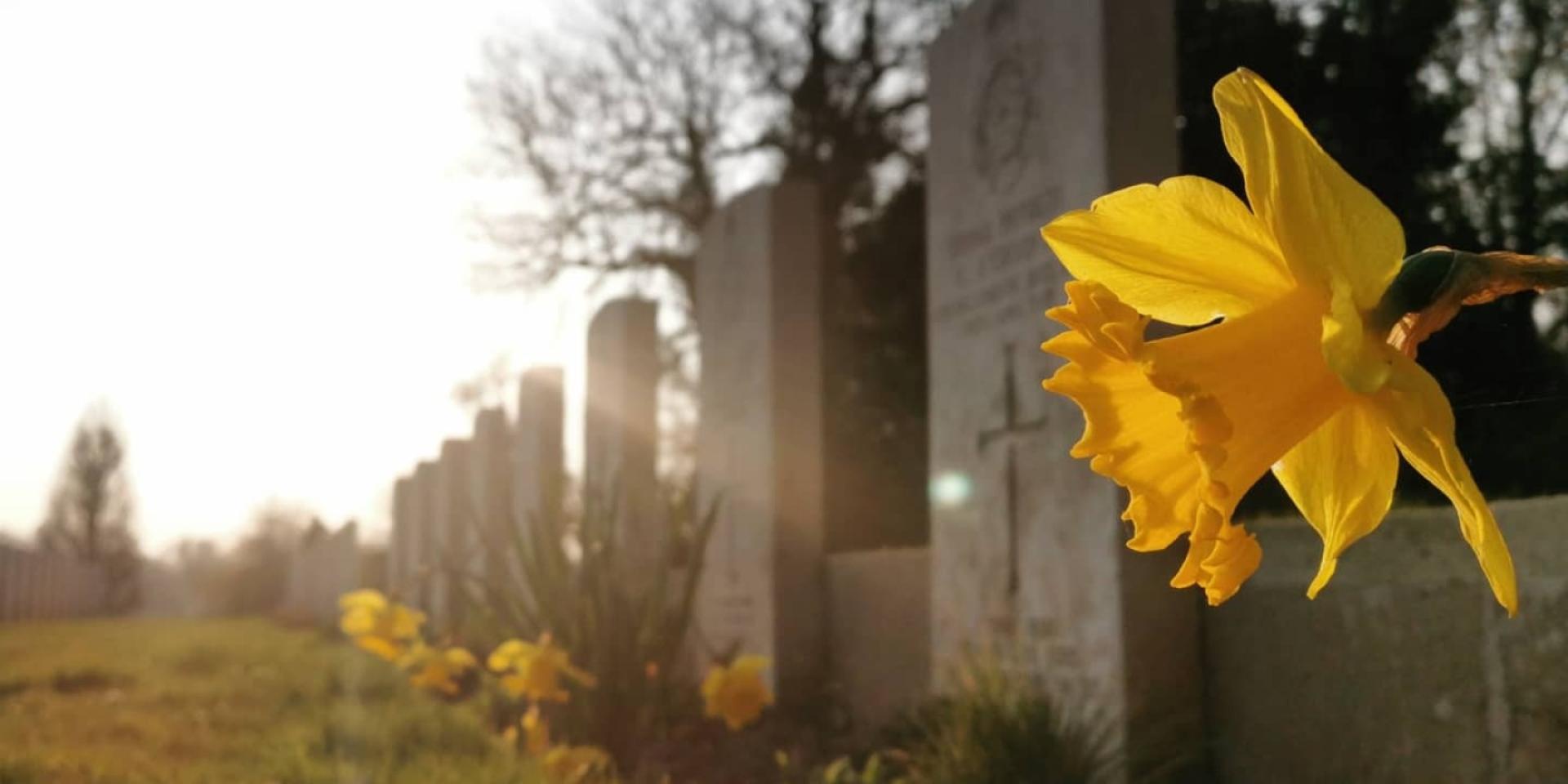
Daffodils and gravestones at sunset

|

Pauline Roches

Commonwealth RemembranceCWGC Cemeteries in Northern FranceA guide to the Commonwealth war graves and memorials of WW1

Commonwealth War Cemeteries

Ajouter aux favoris

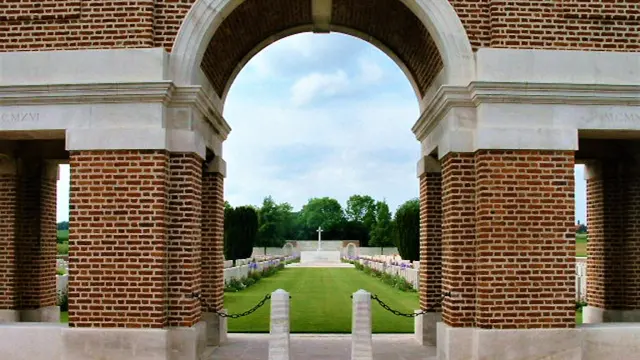
The rolling countryside of Artois in Northern France bears witness to one of the most significant chapters in Commonwealth military history. Here, among the fields and villages where the battles of Arras and Vimy Ridge were fought, stand the immaculately maintained cemeteries of the Commonwealth War Graves Commission– silent guardians of memory and sacrifice.

©

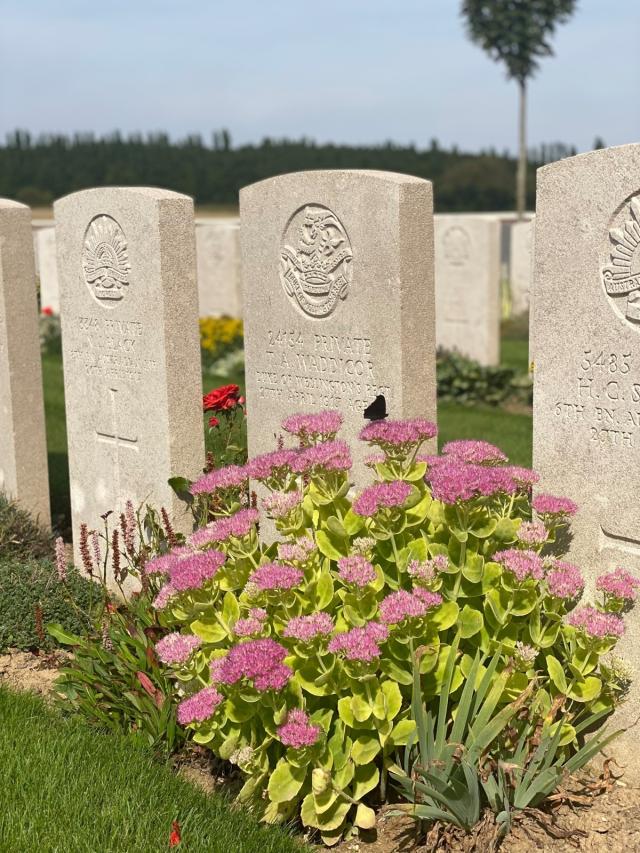
Graves and flowerbeds

|

Arras Pays d'Artois Tourisme

"Their name will live forever"

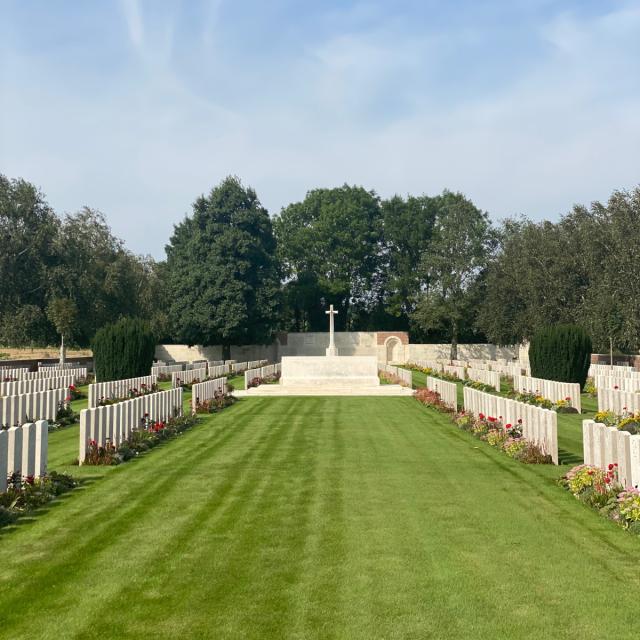
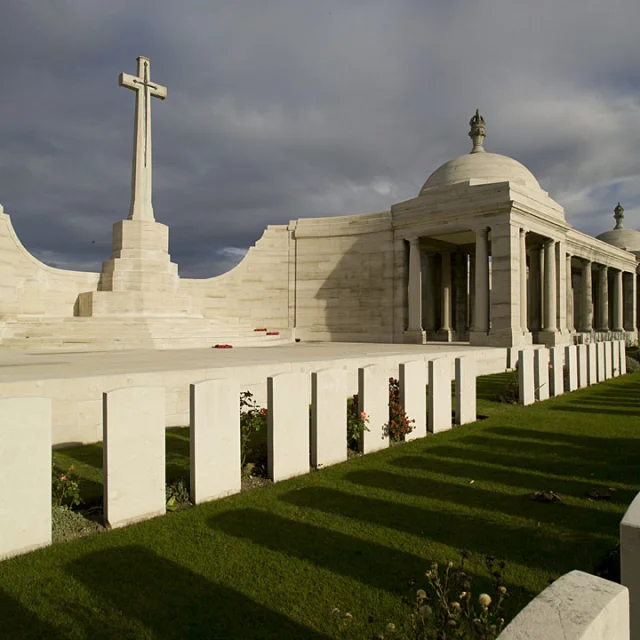
In most cemeteries stands the Cross of Sacrifice, and in the more prominent sites, the Stone of Remembrance, engraved with the words: “Their name shall live forever.”

Alongside the cemeteries, memorials have also been erected, bearing the names of soldiers who went missing in battle or within a specific geographical area.

Established in 1917, the Commonwealth War Graves Commission (CWGC) is dedicated to maintaining the graves of all soldiers from the British Empire — and later, the Commonwealth forces — who fell during the two world wars.

To better understand the work carried out by the CWGC, visitors can now explore the CWGC Visitor Centre — a unique interpretive center located in the heart of the former battlefields. There, you can witness the skilled work of the Commission’s artisans, from stone carving to metalworking, and learn how memory is preserved every day.

What is the CWGC?

Distinctive Commemorative Features

The CWGC Approach to Remembrance

The CWGC’s approach to remembrance creates uniquely moving spaces for visitors. The personal inscription policy allows families to add their own words beneath the military details—transforming statistics into individual stories. Phrases like “Until the day breaks and shadows flee away” or “Always remembered by his loving wife and children” connect

The horticultural care in CWGC cemeteries is exceptional, with year-round planting ensuring colour across all seasons. This “living memorial” concept was central to Lutyens’ vision and remains a distinguishing feature today. The gardens bloom with roses, lavender, and seasonal flowers, creating spaces of tranquillity and beauty.

The equality principle—where every serviceman, from private to general, receives an identical headstone—was revolutionary in 1917 and continues to resonate today. It represents the democratic spirit for which Commonwealth forces fought.

To explore how different nations commemorate their fallen in Artois, visit our companion pages on French cemeteries and German cemeteries.

Key CWGC Sites in Artois

Where Memory Lives

Notable CWGC Cemeteries to Visit

Across the Artois region, certain CWGC sites stand out not only for their scale, but for their deep historical and emotional resonance. From major battle memorials to more intimate cemeteries, each place tells a powerful story of sacrifice and remembrance.

Discover key locations like Cabaret-Rouge, Faubourg d’Amiens, or Vis-en-Artois — where thousands of names etched in stone ensure that those who fell are never forgotten. Whether you’re following a family connection or tracing the timeline of the war, these sites offer meaningful stops on your remembrance journey.

A day trip in Artois

Recommended Itinerary

For first-time visitors to the Artois CWGC cemeteries, consider this full-day route that covers key sites. This route covers approximately 50 kilometres and provides a chronological journey from the early war through to the final campaigns of 1918.

Morning:
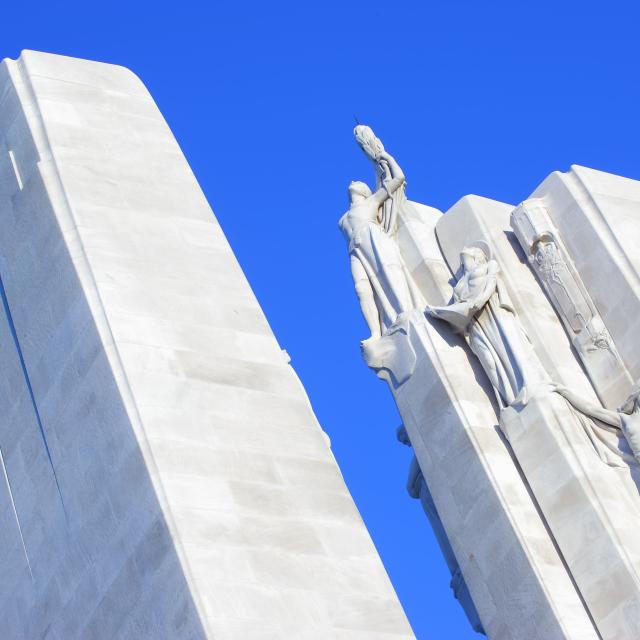
  • Begin at the Canadian National Vimy Memorial to understand the strategic importance of the ridge, then visit nearby Cabaret-Rouge British Cemetery, Souchez. The scale and Canadian Memorial wall provide powerful context for the battles of spring 1917.

©

Close-up of Vimy’s carved figures — grief in stone

Late Morning
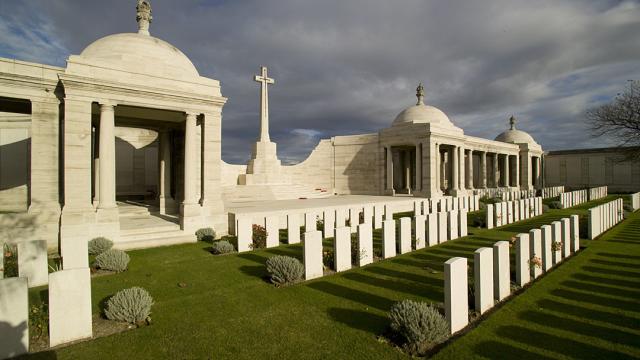
  • Drive to Dud Corner Cemetery and Loos Memorial, Loos-en-Gohelle, where you can trace the story of the early trench warfare and the Battle of Loos. The memorial’s scale is breathtaking.

©

Dud Corner CWGC - contains 1,800 burials and the walls commemorate 21,000 men with no known grave who fell in the battle of Loos in 1915 and later battles at Lys, Estaires & Bethune. Built on the site of the Lens Rd Redoubt stormed by the 9th Black Watch on 25th Sept 1915 &#xA

Midday
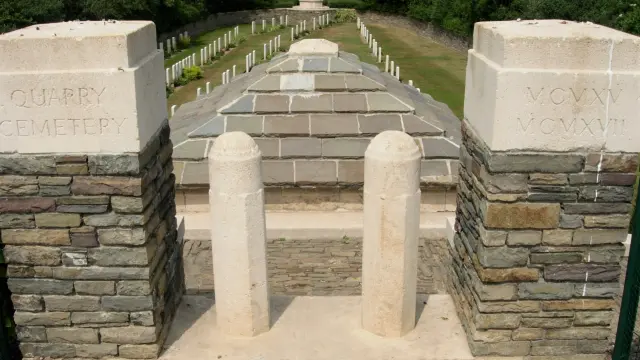
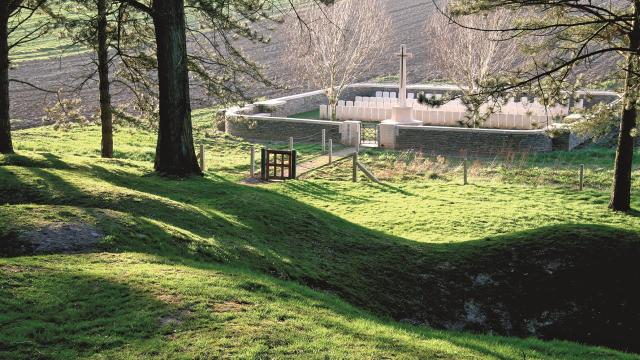
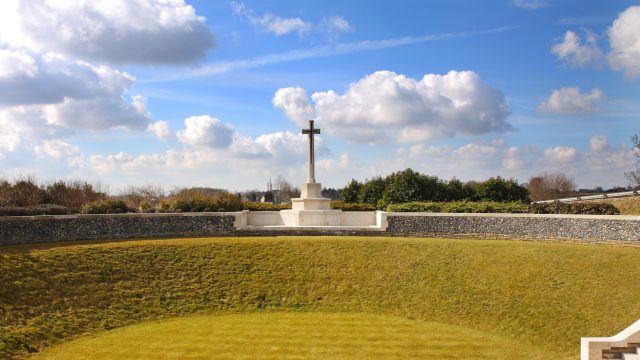
  • Stop at Quarry Cemetery, Vermelles – the intimate setting in the chalk quarry offers a different perspective on how the landscape shaped remembrance.

©

quarry-cemetery-

Afternoon
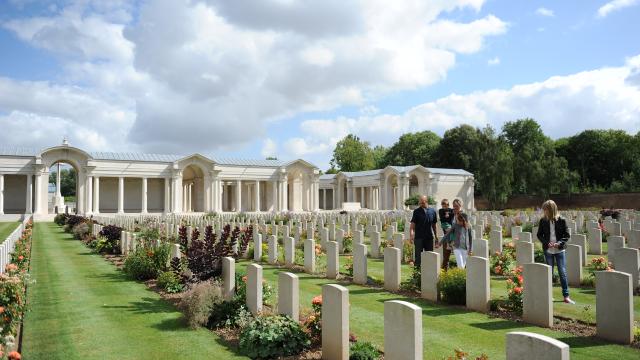
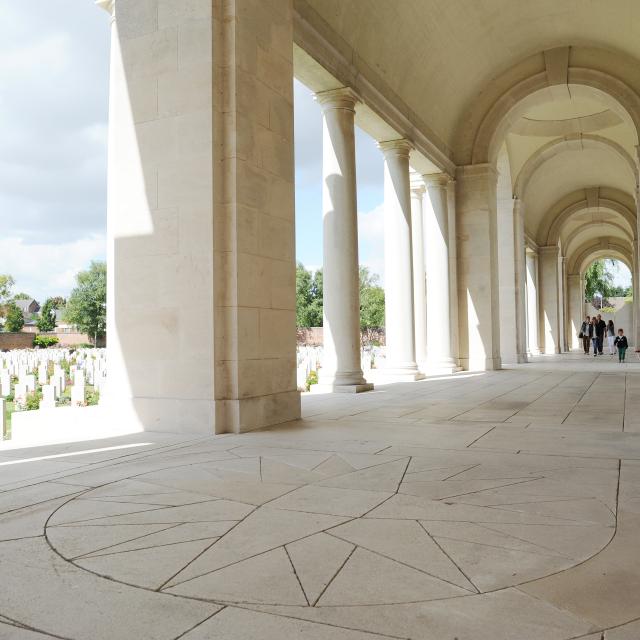
  • Visit Faubourg d’Amiens Cemetery and the Arras Battle Memorial, where the sheer number of names on the memorial walls underscores the scale of loss during the prolonged Arras battles.

©

Family visiting the cemetery

Late Afternoon
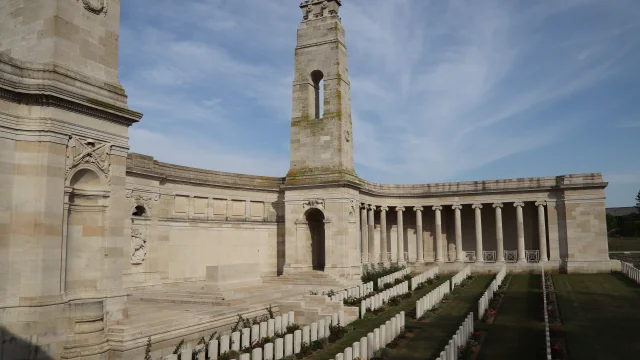
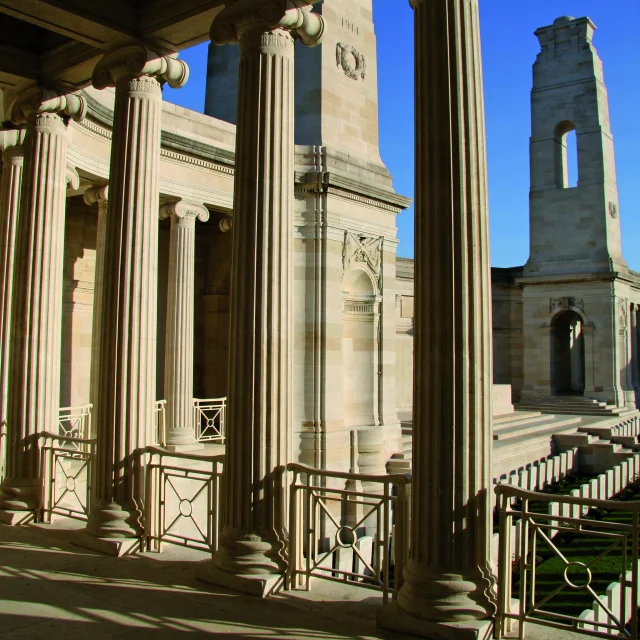
  • Conclude at Vis-en-Artois British Cemetery and Memorial, Haucourt, honouring those who fell in the final victorious advances. For New Zealand visitors, Grevillers British Cemetery and New Zealand Memorial offers a meaningful alternative final stop.

©

Memorial Vis En Artois

About visiting CWGC

Frequently Asked Questions