20210423_15384220210423_153842
©20210423_153842|Matthieu Bequart
A Journey Through the Artois Region

The cemeteries of the Great War

The rolling landscapes of northern France hold some of the most poignant reminders of the First World War. Across the Artois region, Great War cemeteries stand as silent witnesses to one of history’s most devastating conflicts, preserving the memory of hundreds of thousands of soldiers who fought and fell between 1914 and 1918.

Understanding

The Great War Cemeteries of Artois

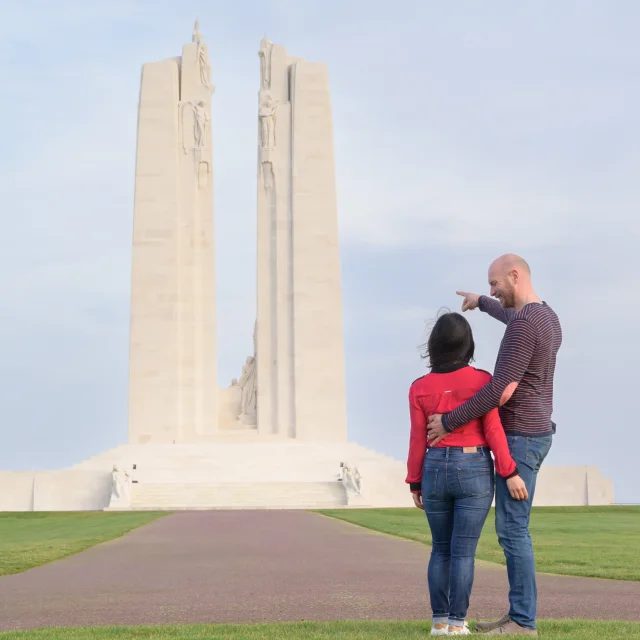
The Artois region became a major battleground during WWI, witnessing intense fighting during battles such as Vimy Ridge, Notre-Dame de Lorette, and Arras. Today, this landscape is marked by numerous WW1 cemeteries France has carefully maintained, each telling a unique story of sacrifice, tradition, and remembrance.

These burial sites WW1 reflect not only the scale of the conflict but also the distinct cultural approaches to honoring the fallen. Whether you’re tracing family history or simply seeking to understand this pivotal period, the war graves northern France preserves provide an invaluable window into the past.
Immersion...

Living the story

In the aftermath of the war, questions arose about the fate of the hundreds of thousands of bodies that needed to be buried in dignified graves. Financial resources, cultural traditions, and political decisions in each country strongly influenced the design of national military cemeteries.

The military cemeteries ww1 scattered across Artois follow three distinct national traditions, each reflecting different cultural values and approaches to memorializing the fallen:

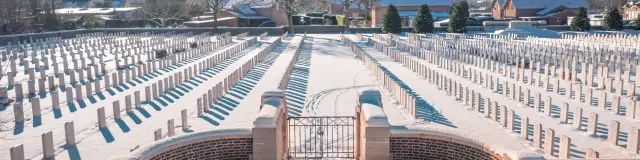
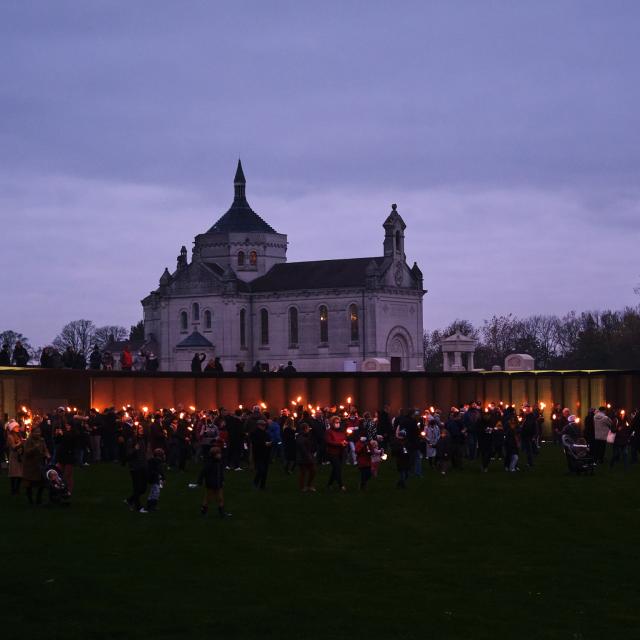
French war graves emphasize collective sacrifice and national unity. Typically featuring white crosses or Muslim headstones arranged in orderly rows, French cemeteries often incorporate ossuaries containing the remains of unidentified soldiers. The architecture tends toward classical monumentality, with grand memorials and chapels.

Explore French Great War Cemeteries

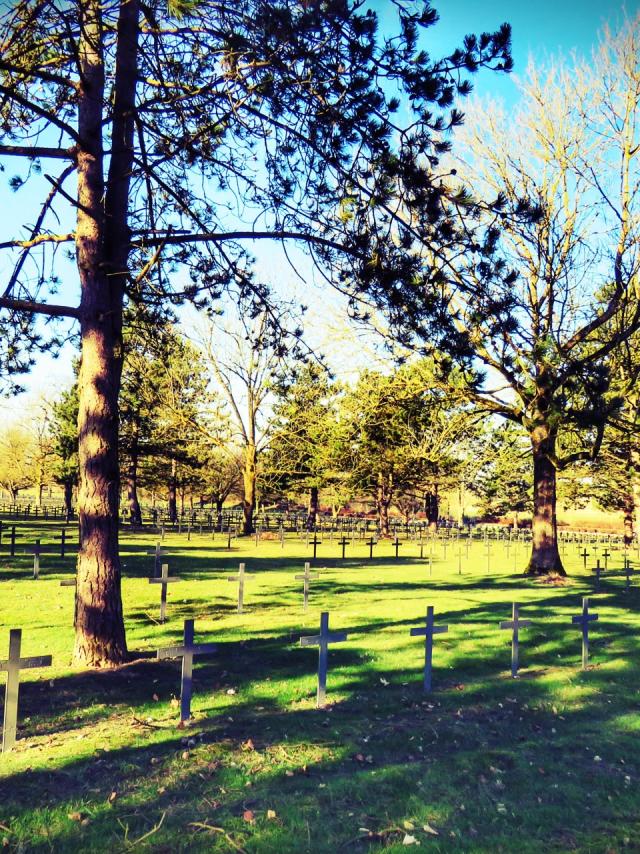
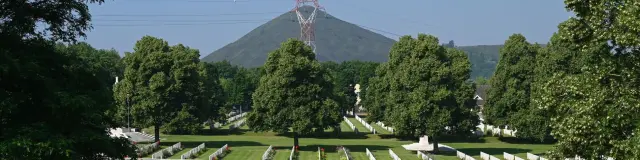
German cemeteries present a more somber aesthetic, characterized by dark stone crosses and markers, often with multiple names per stone due to space considerations. These sites reflect a philosophy of quiet contemplation rather than triumphalism. The landscaping typically includes mature trees and natural plantings, creating peaceful, forest-like atmospheres.

Discover German Great War cemeteries

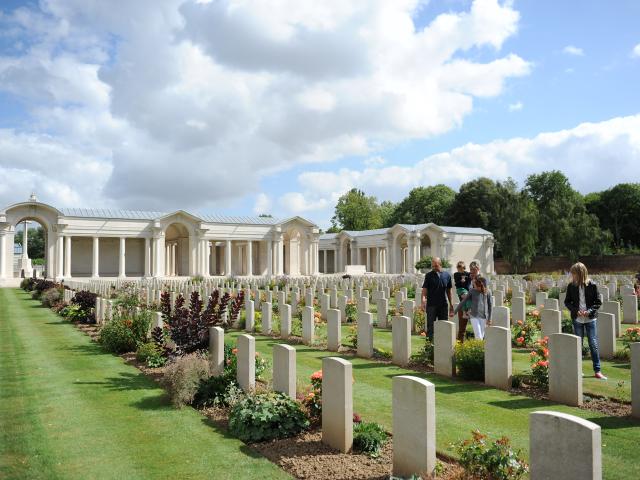
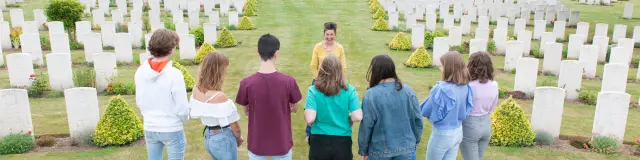
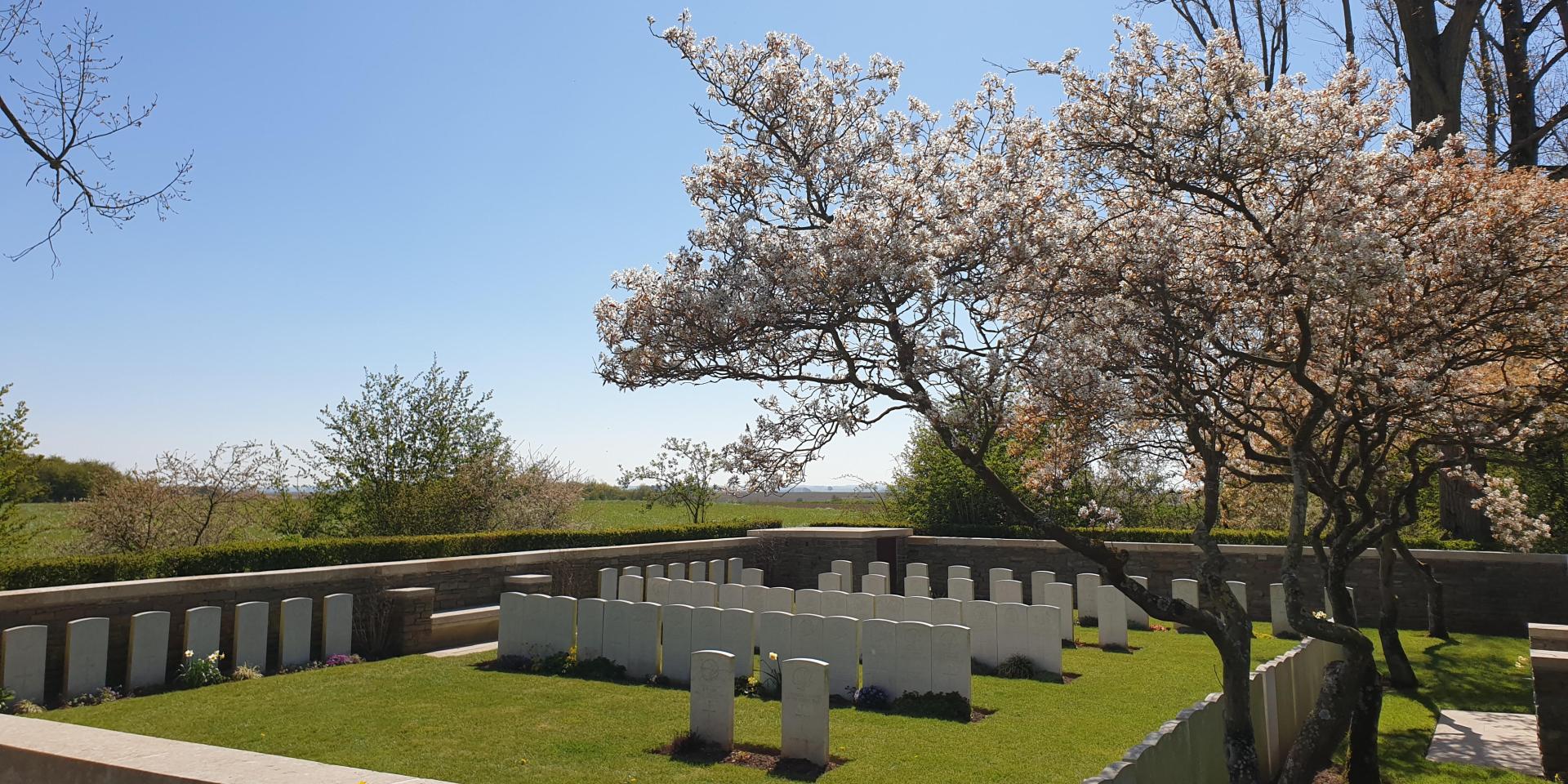
Maintained by the Commonwealth War Graves Commission, these cemeteries follow a distinctive design philosophy established after WWI. Each soldier receives an individual headstone of uniform size, regardless of rank, inscribed with personal details and often a family-chosen epitaph. The meticulous gardens and architectural elements create spaces of serene beauty and equality in death.

Visit Commonwealth Great War Cemeteries

Planning Your Visit

To WW1 Cemeteries France

When you visit ww1 cemeteries in France, you’re not just observing history- you’re participating in an ongoing act of remembrance. The Artois cemeteries are accessible year-round, with each season offering its own atmosphere. Spring brings poppies that echo Flanders Fields, while autumn mists add solemnity to your pilgrimage.

Battlefield Tourism France: Practical Considerations

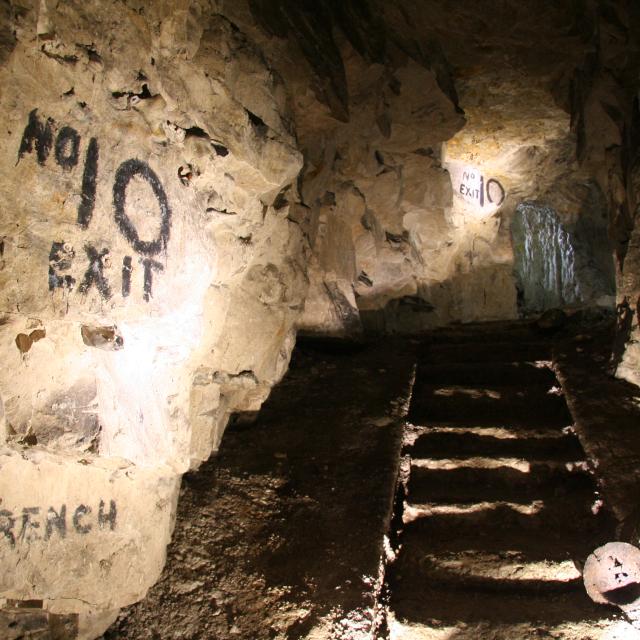
Most cemeteries are open daily and free to enter. Many visitors combine cemetery visits with tours of nearby battlefield sites, trenches, and museums. The remembrance trails connecting various sites allow for self-guided exploration.

Respectful Remembrance Tourism

These sacred spaces deserve respectful behavior. Visitors should maintain quiet voices, stay on designated paths, and refrain from picnicking or inappropriate photography. Many find it meaningful to leave small tokens of respect, though official regulations should be observed.

The Living Legacy of the Great War

More than a century after the guns fell silent, these Artois cemeteries continue their mission of remembrance. They serve as outdoor classrooms where new generations learn about war’s costs, as pilgrimage destinations for descendants seeking family connections, and as peaceful sanctuaries for reflection on the human capacity for both destruction and commemoration.

The Great War cemeteries of Artois represent one of humanity’s most extensive memorialization efforts. Each cemetery type- French, German, and Commonwealth- offers unique insights into how nations process grief, honor sacrifice, and maintain memory across generations.