Arras-country-artois-tourismArras-country-artois-tourism
©Arras-country-artois-tourism|Arras Pays d'Artois Tourisme
The Battle of Arras

The Battle of Arras – 1917’s Forgotten But Fierce Offensive

Why Arras? The Strategic Role of the Region

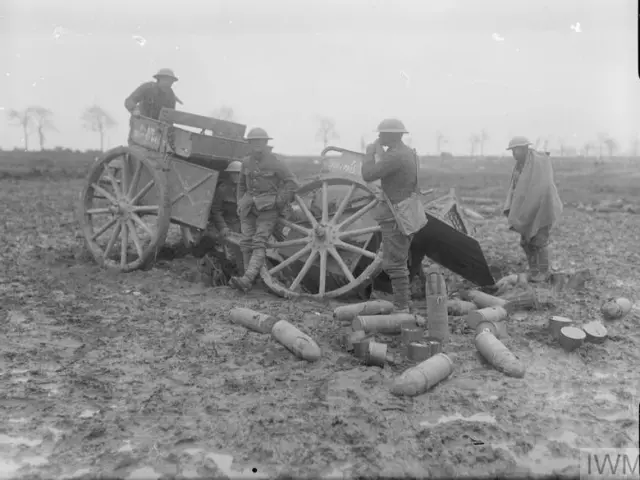
In early 1917, the First World War was entering its third brutal year. The small city of Arras, in northern France, found itself at the centre of a bold Allied strategy. Located between the Ypres Salient and the Somme, it became the launch point for a major British-led offensive.

Why here? Because Arras wasn’t just well-placed — it was also full of secrets. Beneath its quiet streets, ancient chalk quarries were transformed into a network of tunnels, hiding thousands of troops just metres from the German front lines. The goal? Surprise the enemy. Support the French attack further south. And maybe, just maybe, break the stalemate of trench warfare.

British and Commonwealth Forces at Arras

By spring, British troops had fully taken over this section of the front. But they weren’t alone. Soldiers came from across the Empire: Canadians, Australians, New Zealanders, South Africans. Over 400,000 men gathered near Arras — a patchwork of accents and uniforms, united by a common cause.

The Canadian Corps at Vimy Ridge

To the north of Arras, the Canadian Corps — all four divisions together for the first time — prepared to take Vimy Ridge. It was a high point, literally and symbolically. From April 9 to 12, they captured the ridge in a well-planned assault. It was a proud moment for Canada, but it came at a heavy price: over 10,000 casualties.
While the Battle of Arras in 1917 was a pivotal moment for British and Commonwealth forces, it followed earlier, equally devastating French offensives in the same region. Discover the lesser-known Battles of Artois (1914–1915) — three major campaigns that set the stage for what came next.

Australians, New Zealanders and Other Allies

Elsewhere, Australians fought further south, while New Zealand tunnellers — many of them former miners — worked underground to dig towards enemy lines. Their efforts helped lay the groundwork for what was to come.
Underground Warfare – The Hidden Side of the Battle

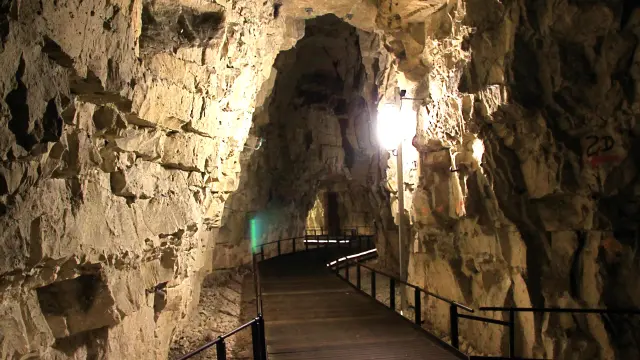
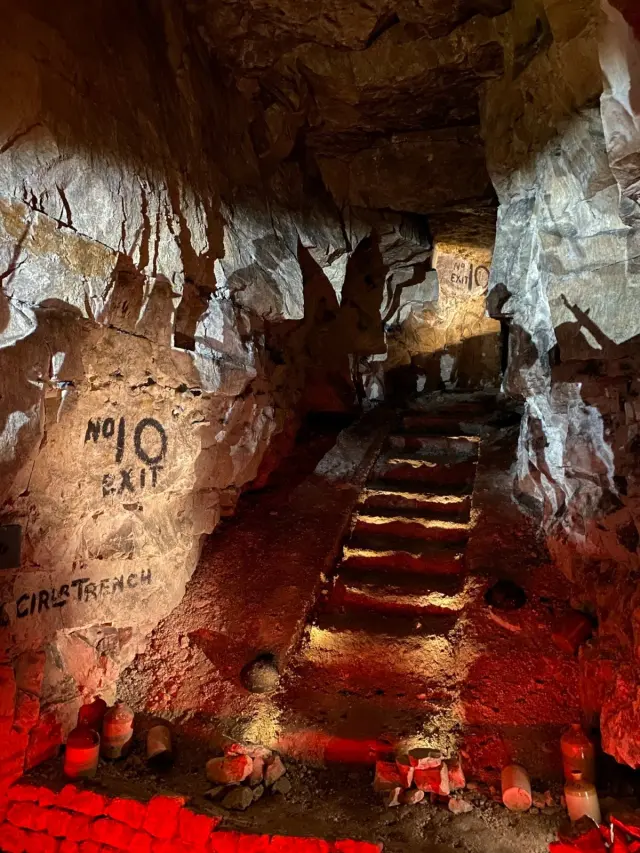
While artillery pounded above, something remarkable was happening below. A 20-kilometre maze of tunnels allowed entire units to move unseen beneath the battlefield. The Wellington Quarry alone sheltered 24,000 men.

New Zealand tunnellers used only pickaxes, shovels, and grit to dig the way forward. Their work turned the element of surprise into a reality. Today, you can visit the site and experience the same tunnels — dark, narrow, and filled with echoes of 1917.

Underground Wellington Quarry / ArrasProjection of silhouettes on the walls at exit number 10
©Projection of silhouettes on the walls at exit number 10

April 9th, 1917 – A Shock Offensive

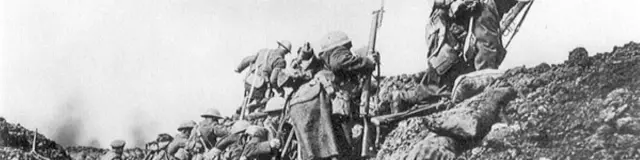
At 5:30 AM, under a cold grey sky, the attack began. Silence broke into chaos as thousands of men surged out of tunnels and trenches. The Germans were caught off guard. Ground was gained quickly – more than expected.

A Costly Campaign with Limited Gains

Despite early success, the offensive slowed. The terrain was tough. German reinforcements arrived. The fighting turned brutal. In the skies, April 1917 became known as “Bloody April” — with massive losses among British aircrews.

Visiting the Battlefields of Arras Today

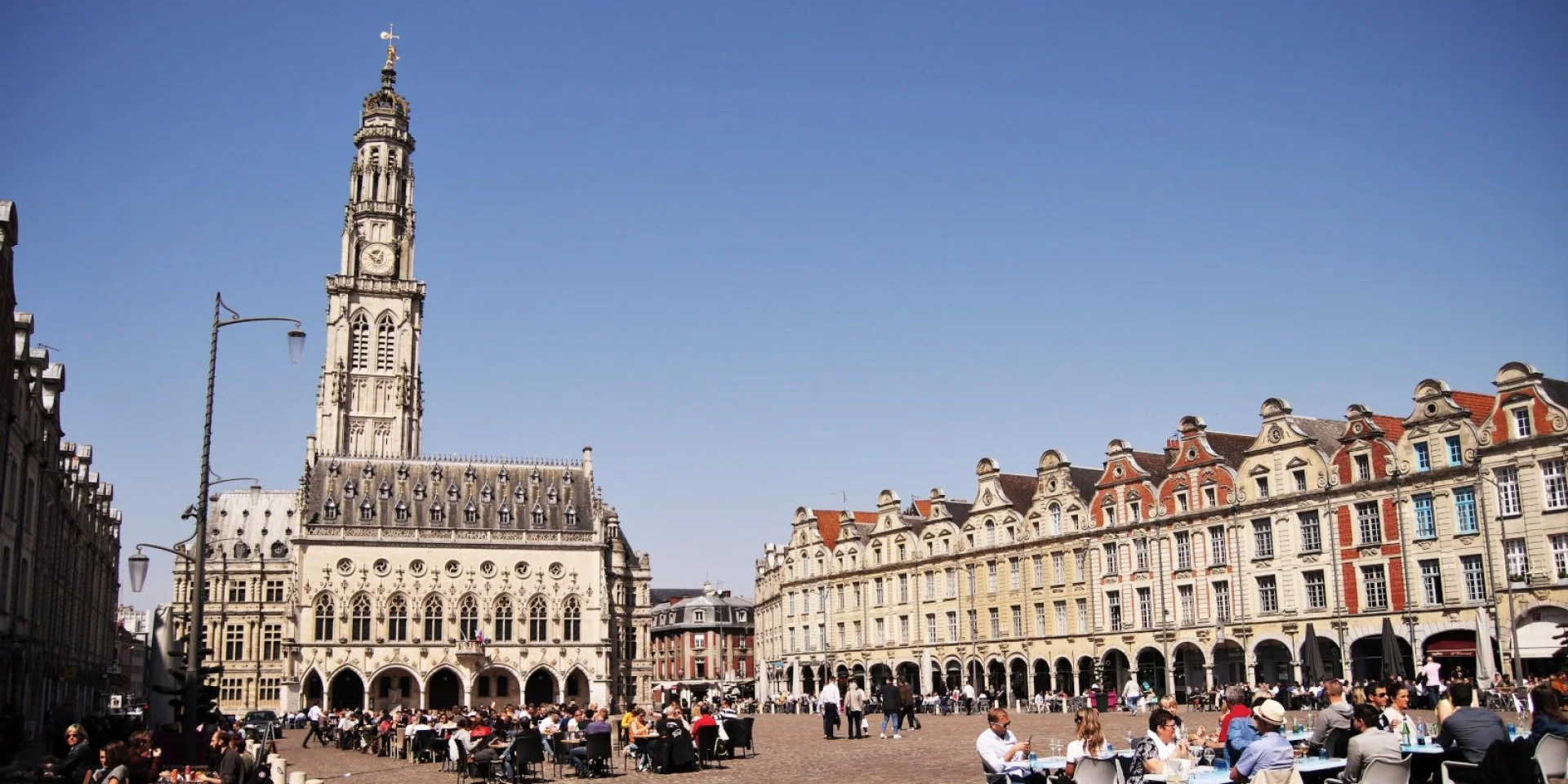
Today, Arras is calm – but its past is never far away. Beneath the streets and across the nearby hills, you can explore preserved sites that bring the story of the battle back to life.

Wellington Quarry – A Journey Beneath the Front

The Wellington Quarry is a must-visit. Guided tours take you into the actual tunnels used in 1917. Light, sound, and personal stories recreate the tension of those final hours before the attack. It’s history you can feel.

Nearby Sites – Vimy Ridge, Neuville-Saint-Vaast, Bapaume

Whether you’re tracing family history or following your curiosity, a visit to Arras is both moving and unforgettable.

Frequently Asked Questions about the Battle of Arras