Your Guide to the WW1 Sites of Artois
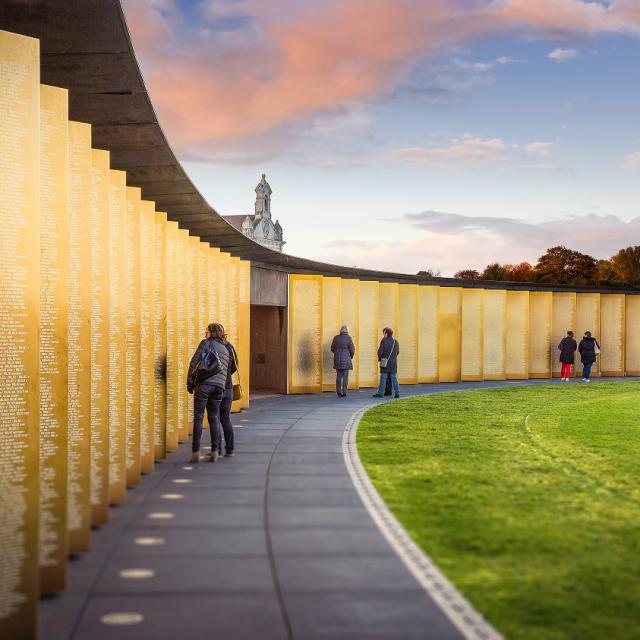
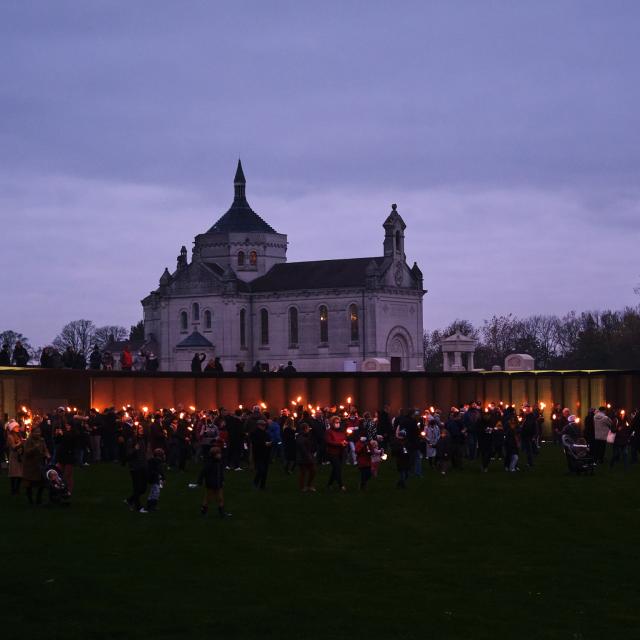
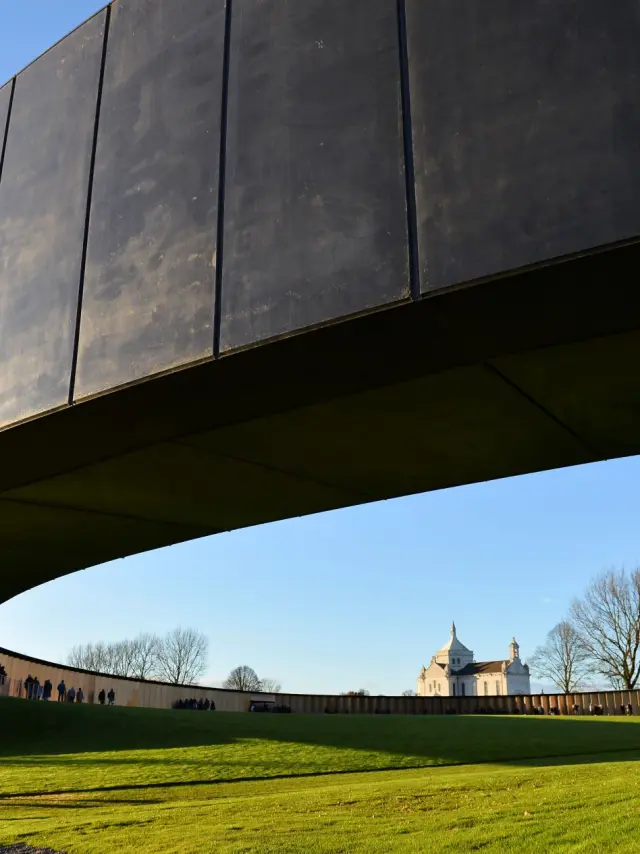
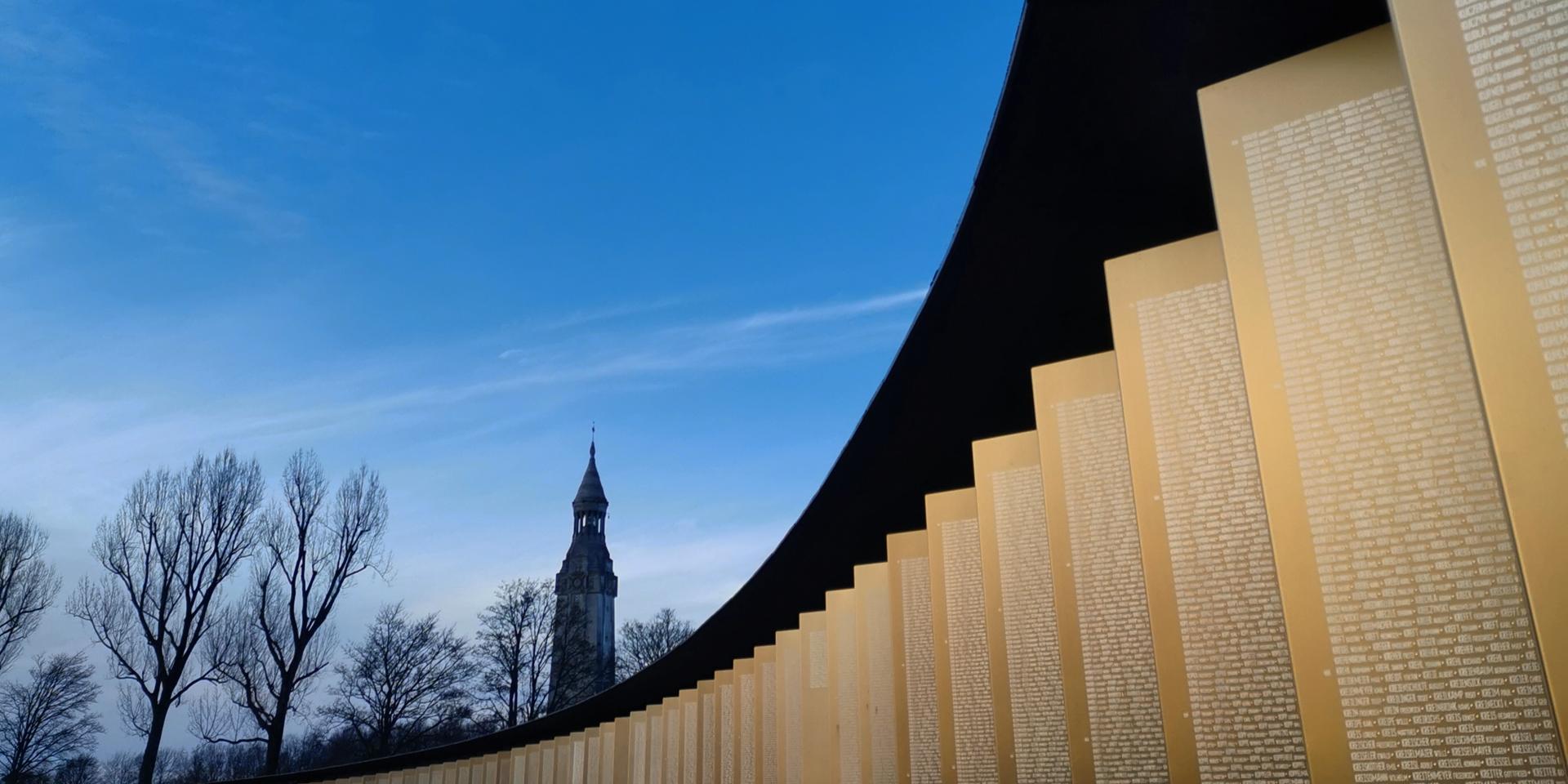 Ring of Memory / Ablain-Saint-Nazaire
Best WW1 sites to visit in Artois
Immersion...
Discover WW1 Sites of Memory in Northern France
Use the interactive map below to explore the main remembrance sites across the Artois region — from preserved trenches to memorials, museums, and cemeteries.
The map lets you navigate easily between the towns of Lens and Arras, where much of the Western Front’s legacy can still be seen today.
Each icon or numbered pin reveals a site of memory: a place to reflect, learn, or connect with personal stories of the Great War.
Just click on a location to access detailed information, historical context, and practical tips for your visit.
Start your memorial journey with our interactive map — and see history take shape across the landscapes of Artois.
Must-See WW1 Sites in Artois
Artois holds some of the most moving and historically significant sites of the First World War. From quiet ridges to underground tunnels, these places still echo with the footsteps of those who served.
Whether you’re tracing family history, discovering Canada’s legacy in Europe, or exploring the Western Front for the first time, these memorials and battlefields offer a powerful journey through the memory of 1914–1918.
Here are the most unforgettable WW1 sites to visit in Artois — each one telling a part of the story.
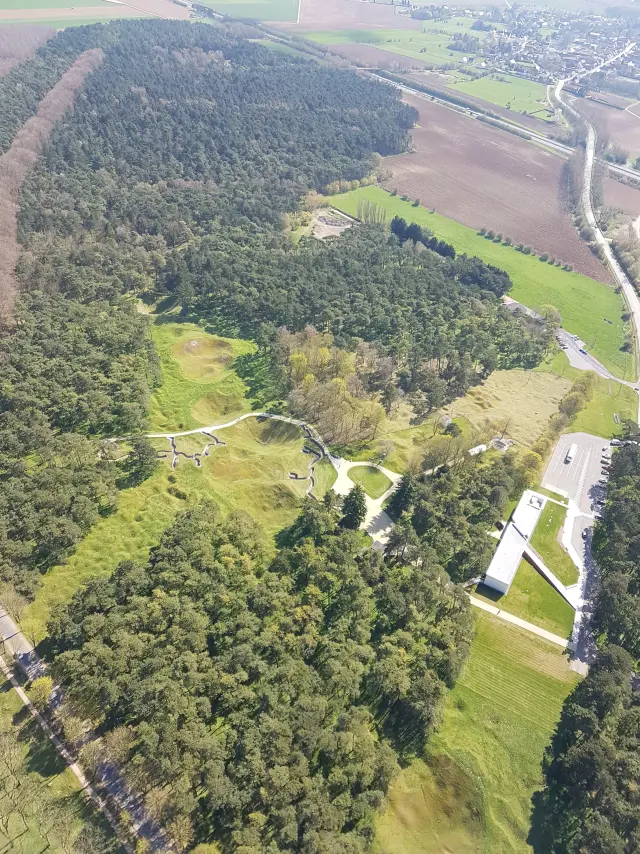
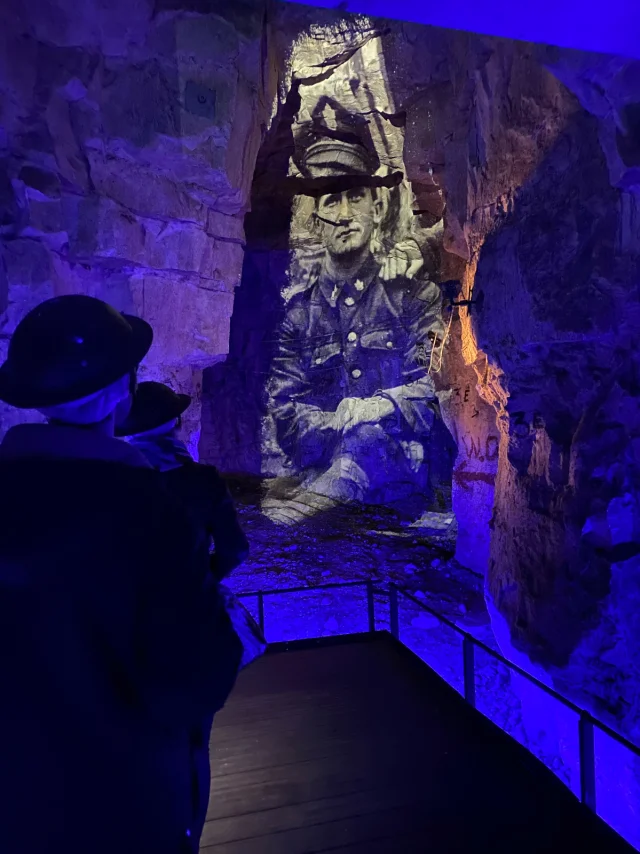 Wellington Quarry / Arras
Wellington Quarry
Go underground in Arras — and step into the silence before the storm.
At the Wellington Quarry in Hauts-de-France, you’ll descend deep beneath the city to uncover the secret preparations for one of the most unexpected offensives of the First World War.
Plan Your Visit – How to Reach the Remembrance Sites in Artois
Travelling from the UK
For visitors from the UK, the easiest and most flexible option is to come by car. Take the
ferry from Dover to Calais or the Eurotunnel from Folkestone — both options
bring you straight to northern France. From Calais, it’s a 1h15 drive via the A26 motorway
to reach Arras or Lens. Note: the A26 is a toll road (péage).
Travelling from North America, Australia or New Zealand
For long-haul travellers, the best route is to fly into Paris or Brussels:
- From Paris Charles de Gaulle Airport: take a direct TGV from Gare du Nord to Arras or Lens (approx. 50–60 minutes).
- From Brussels: take the Eurostar to Lille, then a regional TER train to Arras or Lens (total journey around 2 hours).
Why You’ll Need a Car
Even though public transport connects the main towns, most memorial sites are scattered across the countryside — often in rural areas between villages and hills.
- From Arras to Lens, sites are typically 20 to 30 minutes apart by car.
- A personal vehicle gives you the flexibility to explore at your own pace, reach lesser-known cemeteries, and stop when a place speaks to you.
These landscapes deserve time and freedom. Driving through Artois isn’t just practical — it’s part of the journey itself.
Best Time to Visit – Seasons & Key Commemorations
Spring and Autumn: The Ideal Seasons
Spring and autumn are without doubt the most popular times to visit the remembrance sites in Artois. The weather is generally mild, with fresh mornings and comfortable afternoons — perfect for outdoor visits.
These seasons also coincide with key historical dates: the Battle of Arras anniversary in April, and Armistice Day on November 11, both marked by moving ceremonies across the region.
Nature adds to the atmosphere: in spring, wildflowers bloom across the hillsides and cemetery edges. In autumn, golden light and falling leaves give the sites a deeply reflective mood.
Summer: Beautiful But Hot
Summer is also a good time to visit — especially if you prefer longer days and bright weather. But be aware: temperatures can rise, and many cemeteries and memorials offer little to no shade.
It’s advisable to plan early morning or late afternoon visits, and carry water with you. That said, there’s nothing quite like the golden glow of a sunrise or sunset over Vimy Ridge or Notre-Dame-de-Lorette — a photographer’s dream.
Key Dates to Remember
- April 9 – Anniversary of the Battle of Arras (1917), with annual commemorations
- April 25 – ANZAC Day, honouring Australian and New Zealand forces
- November 11 – Armistice Day, national day of remembrance in France
Whether you’re drawn by history, family memory, or the beauty of the landscape — timing your visit around these seasons and dates will add depth and meaning to your journey.
Suggested Itineraries for Your Memorial Journey
Not sure where to start? We’ve created a dedicated 2-day itinerary to help you explore the major WW1 sites in Artois at your own pace — including key memorials, guided visits, and suggestions for meals and accommodation.
It’s the perfect introduction to remembrance tourism in Northern France, whether you’re travelling solo, with family, or as part of a group. And soon, we’ll be adding 3-day routes for those who want to go deeper into the history.
Where the Fallen Are Remembered
WW1 Cemeteries and Memorial Grounds
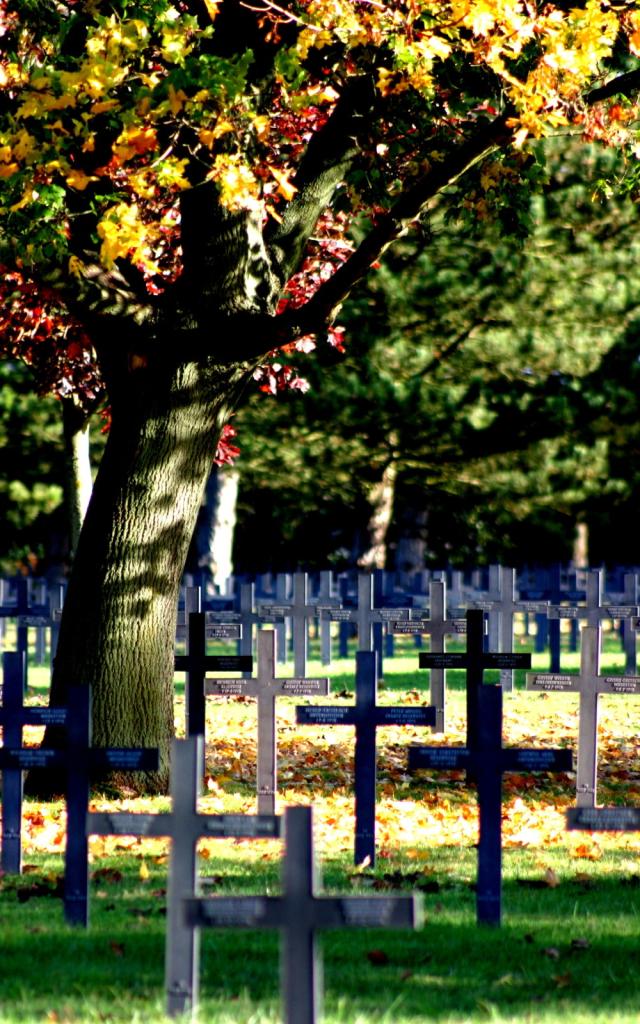
The Artois region is home to hundreds of WW1 cemeteries — each one telling a story of loss, sacrifice, and remembrance. From the vast French necropolises to the silent rows of German graves, from the carefully maintained Commonwealth plots to the modern Peace Gardens, these places invite visitors to reflect and honour all who fell on this soil.
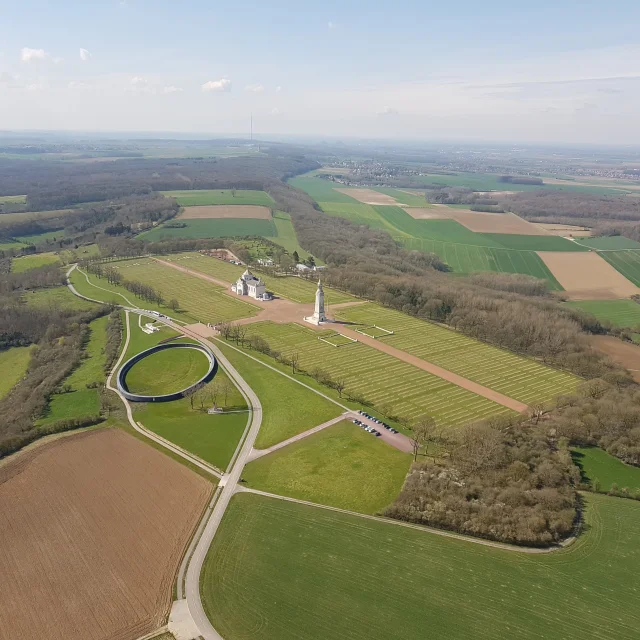
While many sites are small and discreet, others like Notre-Dame-de-Lorette, Neuville-Saint-Vaast or Dud Corner stand as major landmarks of memory. Scattered across the hills and villages of Artois, these memorials form a quiet, powerful landscape — where national histories meet a shared legacy of peace.